

There is intention behind every adventure.
To a child, it feels like play. Underneath is a deliberate, research-informed early-childhood curriculum.
Inquiry first.
Children learn best when they're chasing a real question. So our curriculum is built around inquiry: each month the whole school takes up one big investigation, and each week explores it from a new angle — through observation, experiments, stories, movement, art, and adventures.
Designed by a neuroscientist, the approach is intentional at every layer: the books on our shelf deepen the current investigation; the field trips let children encounter their studies in the real world; even the morning affirmation builds the confidence and self-regulation young brains need before academics can stick.
The result is preschool that prepares children for kindergarten and beyond — without turning preschool into elementary school.
One big question, four weekly wonders.
Here's how a month unfolds — this example is from a September:
Our Place in Nature
"What makes our outdoor world a home for plants, animals, and us?"
Families follow the current investigation, week by week, in The Weekly Wander — including the books we're reading, the adventures we're taking, and what each week's play is teaching.
The plans behind week one.
Every week runs on written lesson plans — objectives, materials, vocabulary, read-alouds, and crafts, all in service of the inquiry. Here is the actual first week of school, "We Are Explorers," day by day. The letter is E (for explorer, of course); the book of the week is What Is a Scientist?
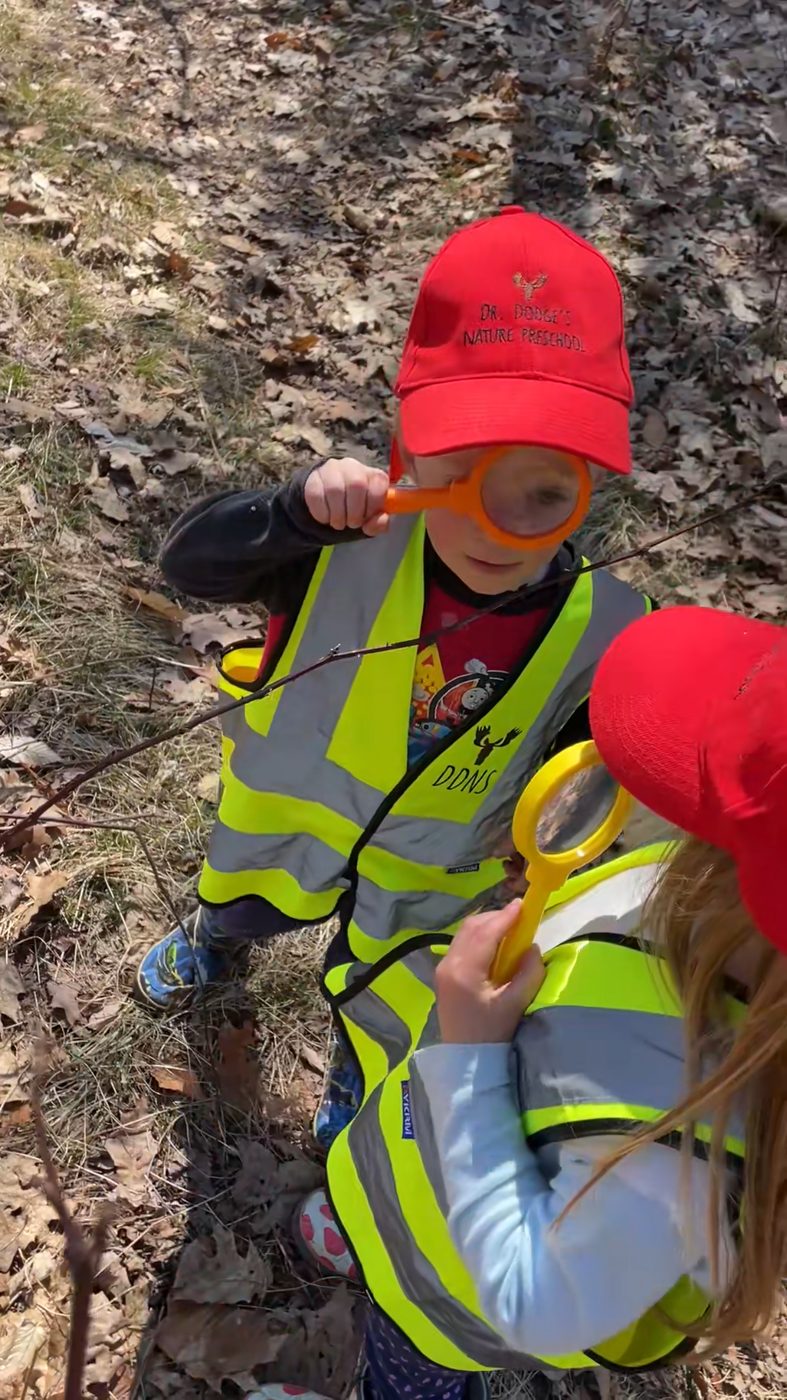
First-day welcomes, then the big question charted at morning meeting. Explorer tool stations — magnifiers, binoculars, collection bags — an explorer training walk (slow feet, quiet listening, gentle looking), and every child receives the field journal they'll keep all year.
Children build their own binoculars in the morning, then wear them into a real forest — hunting textures, tiny things, and animal clues, sitting in two minutes of silence to count sounds, and journaling one discovery with a teacher scribing their words verbatim.
The answer: our senses. Small groups rotate through sense stations — a feely box, smell jars of herbs, sound shakers, a magnifier tray, a tiny taste test — then tally sounds outside with eyes closed and build an interactive Five Senses card to take home.
A shoreline wander for shells, seaweed, and bird tracks — comparing aloud to Tuesday's forest: what's the same, what's different? A journal stop, then the celebration of the week: swim time, a full change of clothes, and a sleepy bus ride home.
Back to Monday's chart, adding the week's new answers in a different color — learning made visible. Discoveries get sorted and counted by where they were found (forest, beach, school), and each child presents a favorite journal page to the circle: the first science talk of the year.
Six threads, woven through every week.
Science + Inquiry
Observation, prediction, and evidence — the habits of real scientists, practiced with magnifiers, streams, snowbanks, and tide pools. Children learn to look closely, ask questions, and test their ideas against the world.
Early Literacy
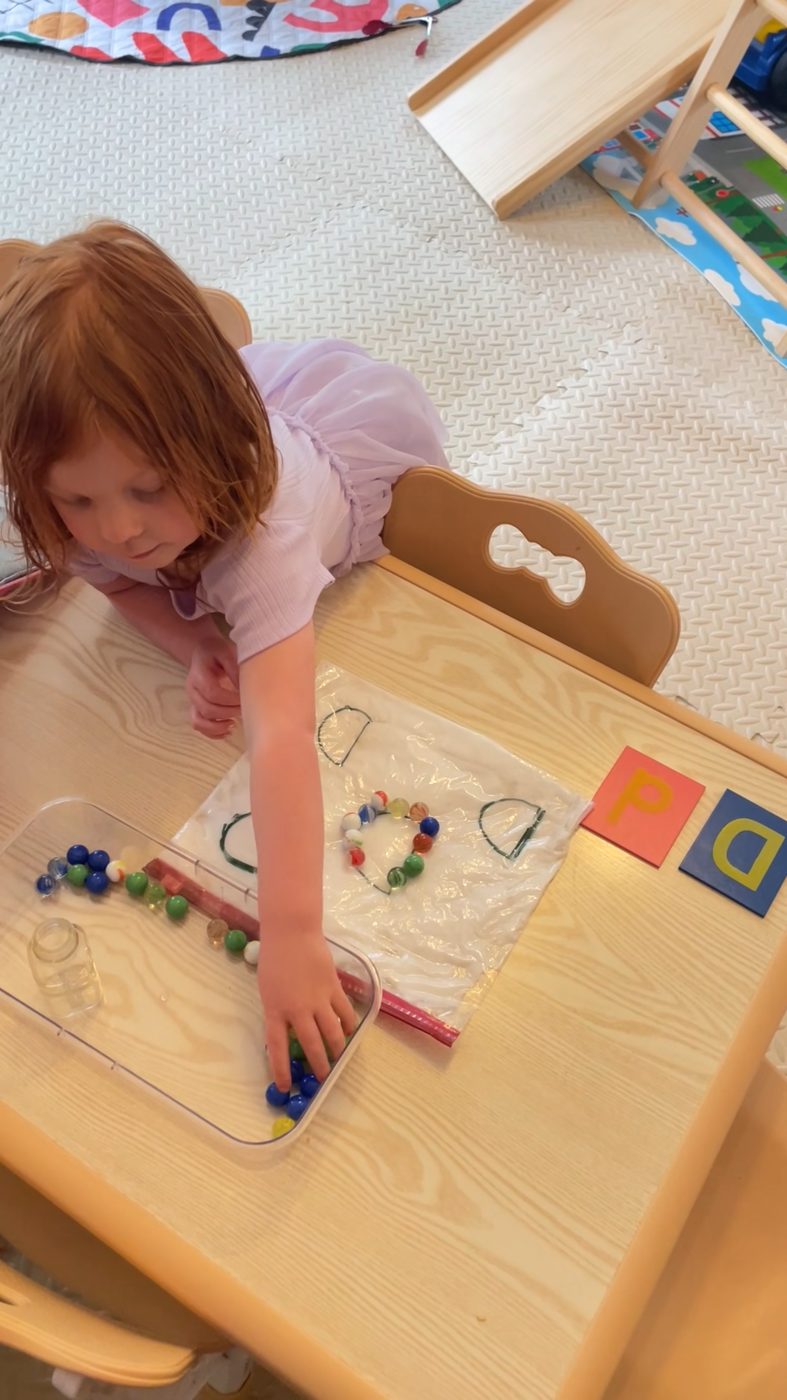
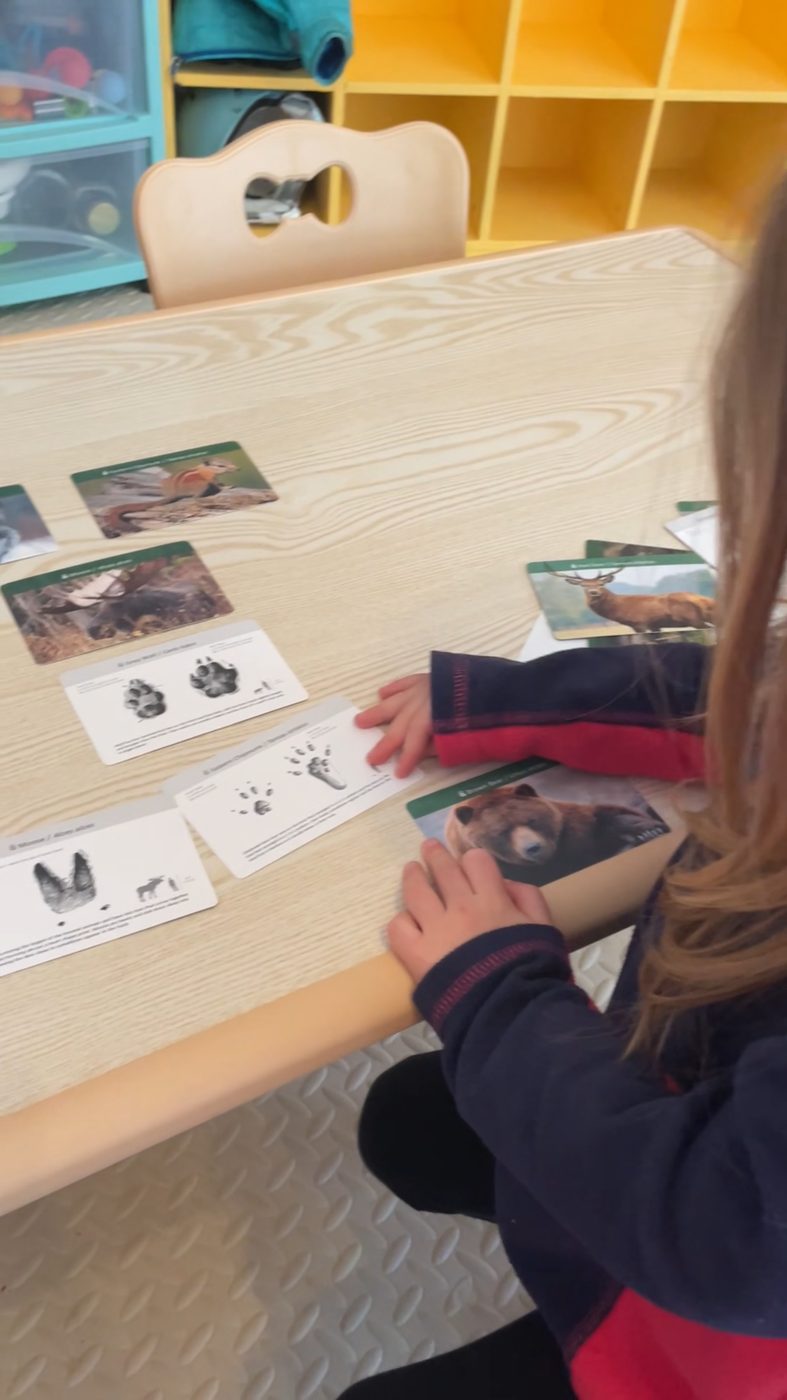
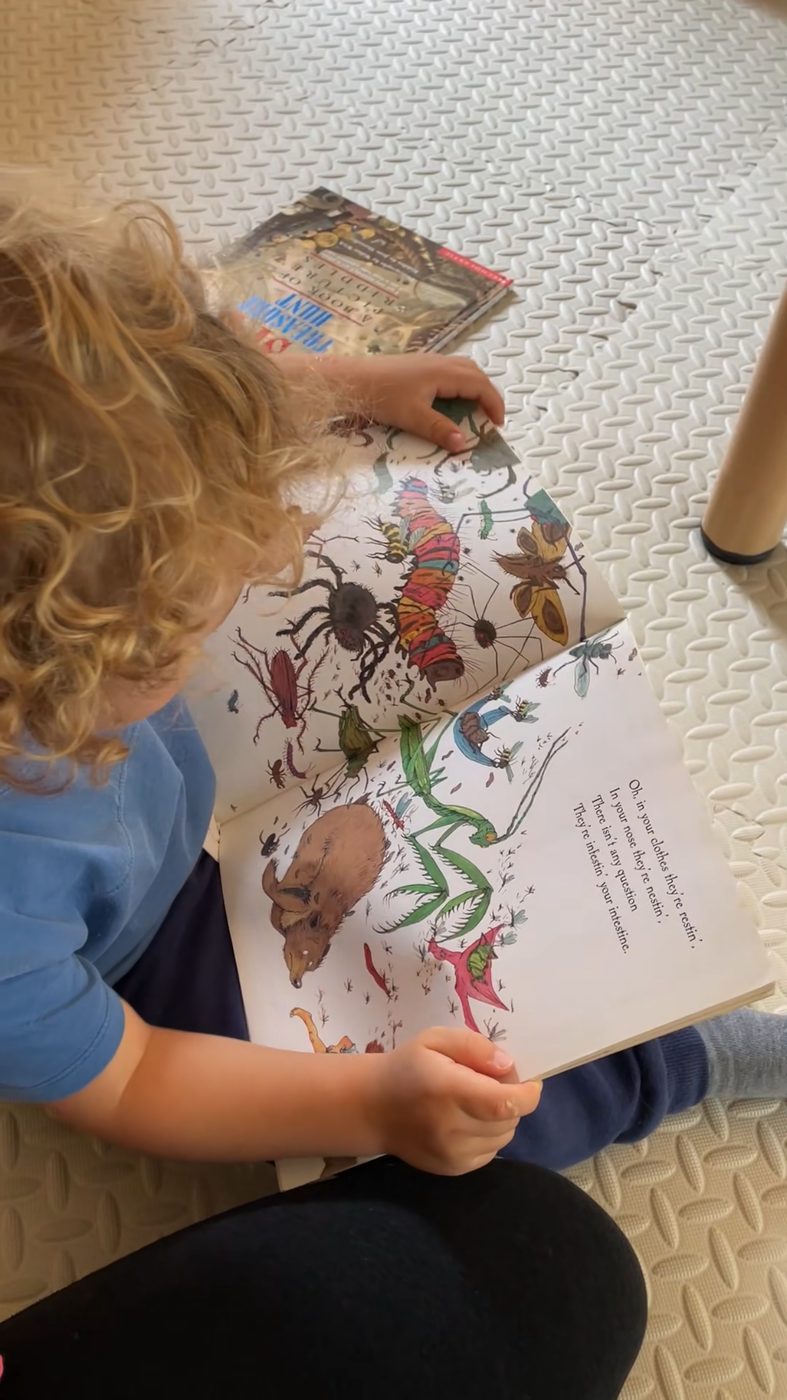
Letters, sounds, vocabulary, and storytelling woven through nature hunts, read-alouds, and a weekly letter explored through movement and sensory play. Our bookshelf is chosen to deepen each week's investigation — reading is part of the curriculum, not apart from it.
Early Mathematics
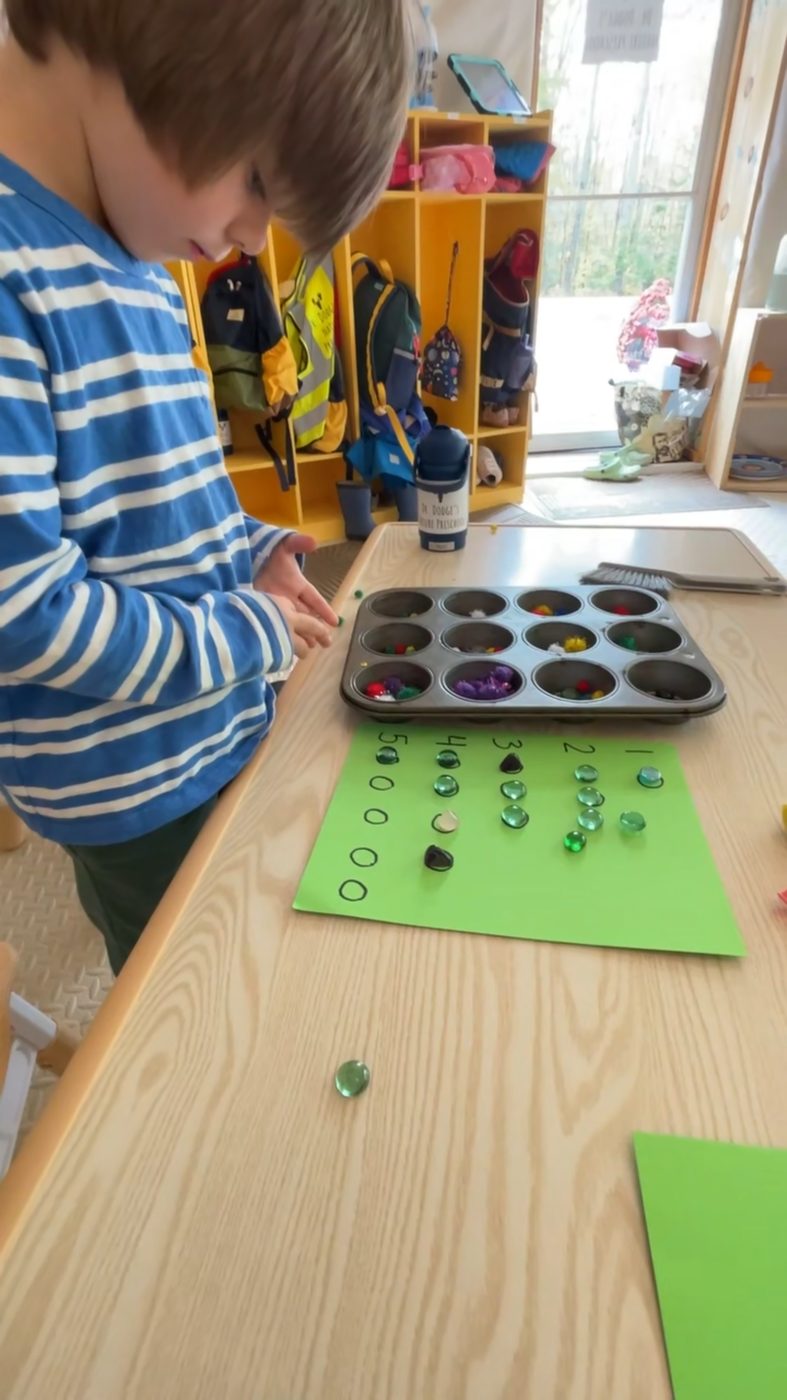
Counting, comparing, sorting, patterning, and measuring with the best manipulatives ever made: acorns, stones, shells, and sticks. Math becomes something children do with their hands, outdoors, every day.
Social + Emotional
Belonging, confidence, empathy, and care — for one another and for the places we explore. Our philosophy is simple: respect children and their emotions, listen to them, engage them, embolden them.
Motor Development
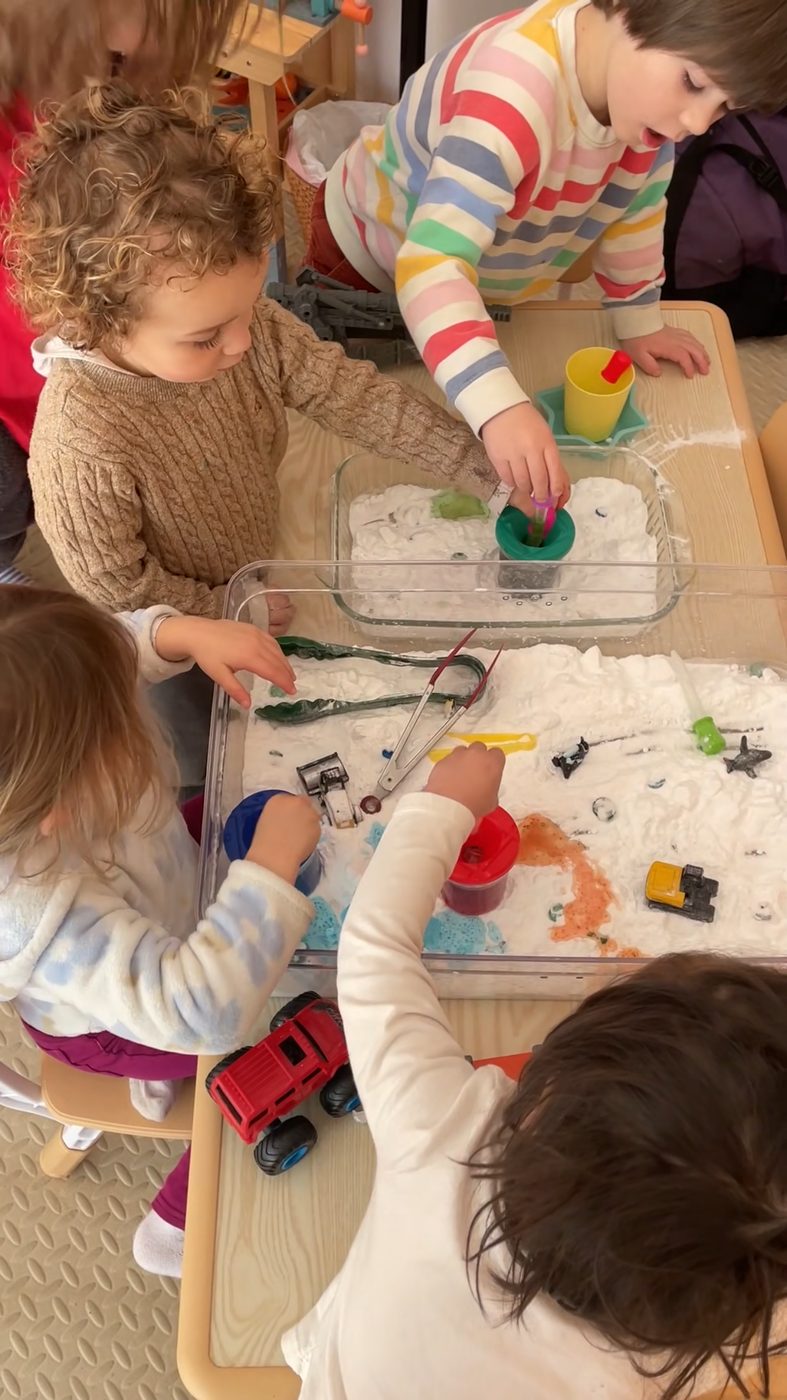
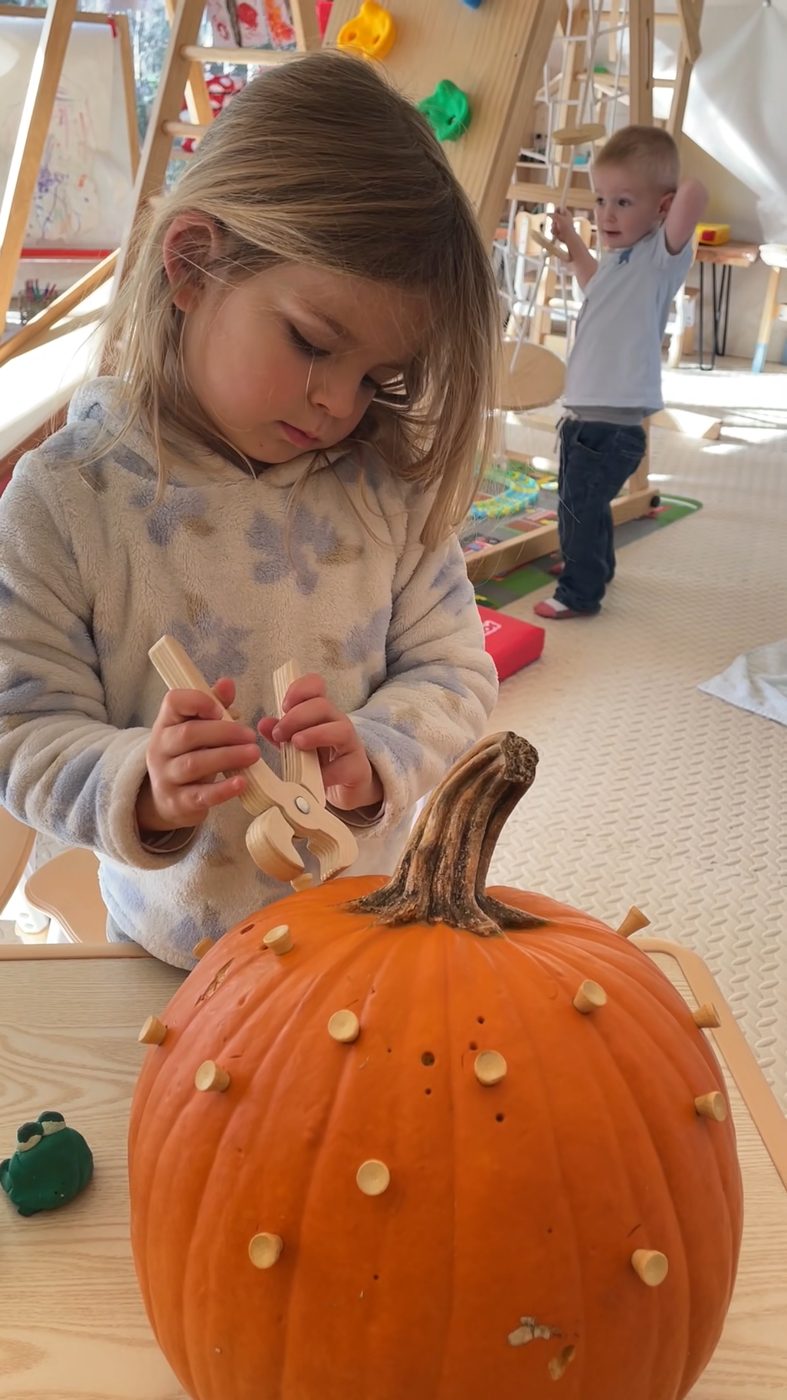
Hiking, balancing, climbing, carrying, digging, pouring. Strong, capable bodies grow alongside curious minds, and outdoor terrain is the finest gross-motor gym there is.
Creative Expression
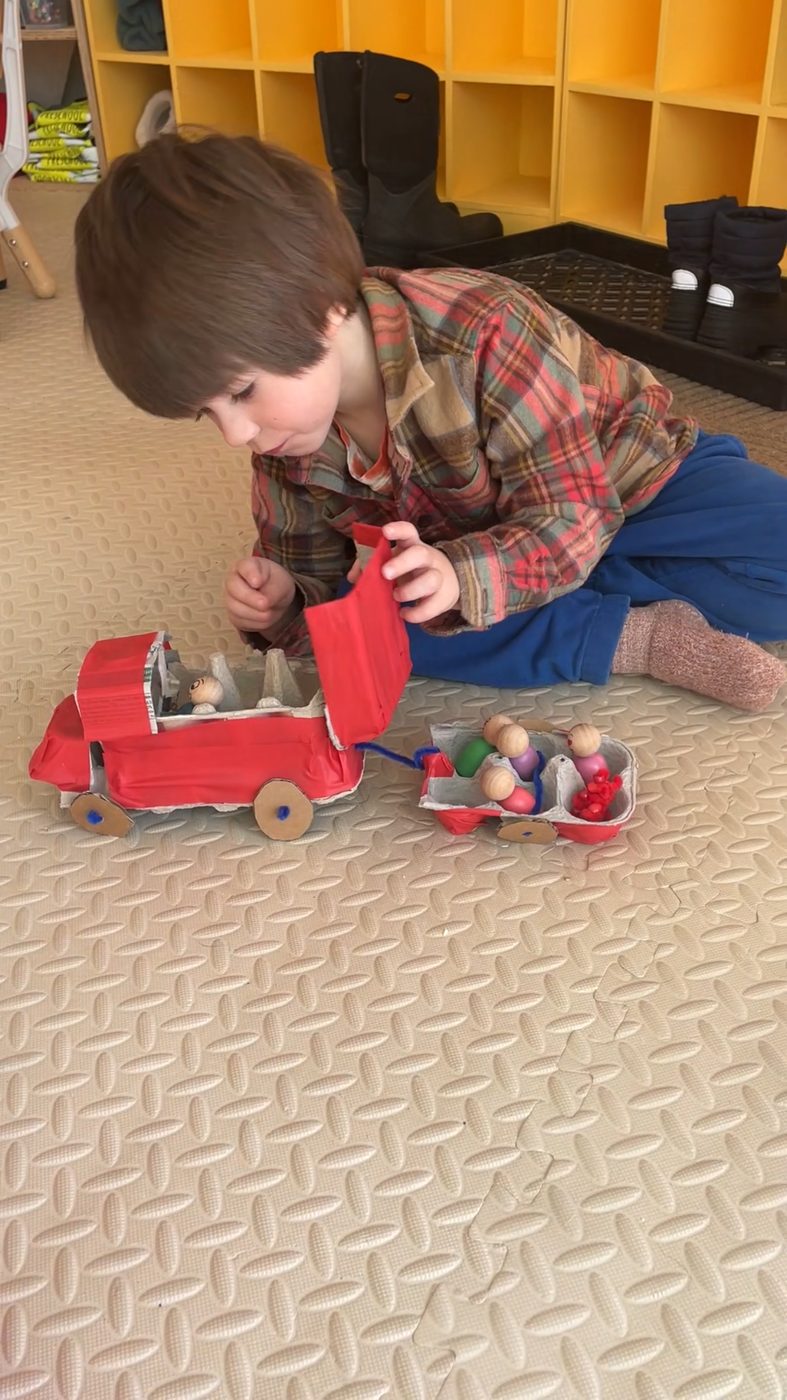
Art, music, building, and imaginative play with natural materials. The woods are equal parts laboratory, studio, and stage.
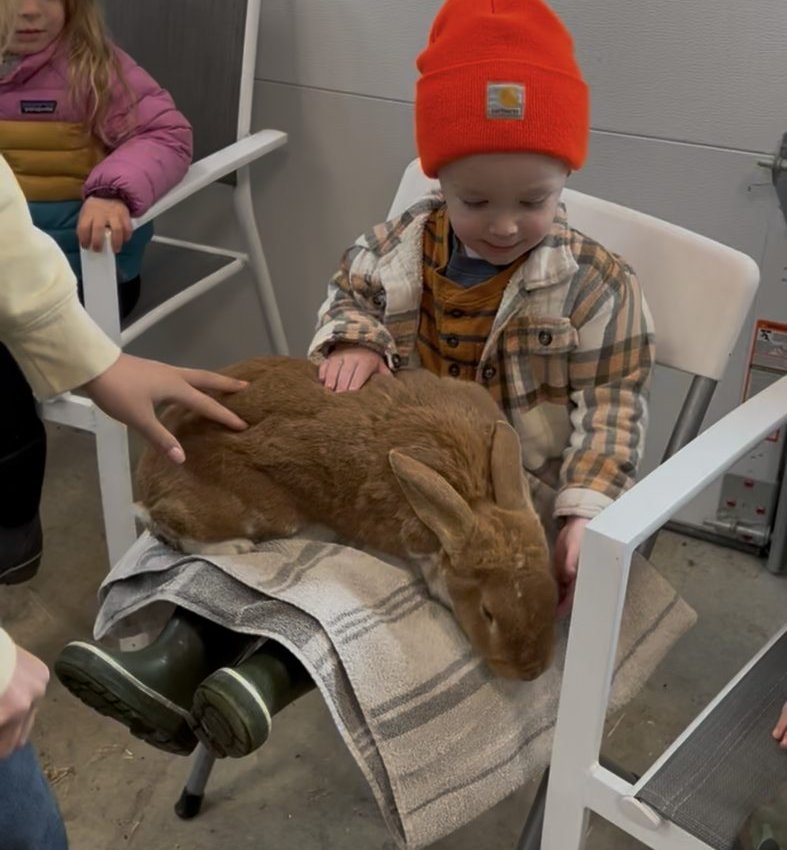
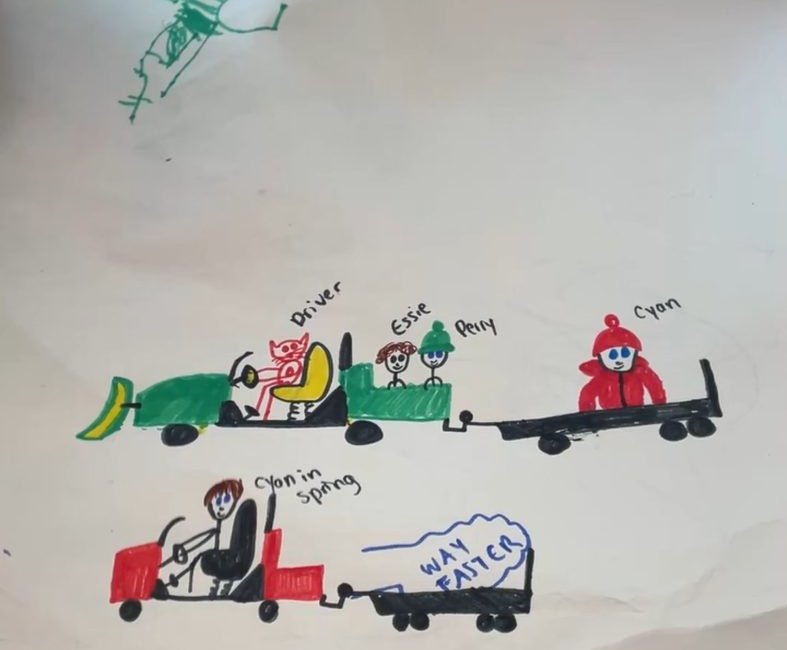
Ready for kindergarten — and for everything after.
For our oldest explorers, Dr. Dodge's is a complete pre-K program — the year before kindergarten, with deliberate kindergarten preparation woven through every investigation. By the time our children head to kindergarten, they know their letters and numbers. They also know how to ask a good question, take a safe risk, care for a friend, and try again after a hard first try. We prepare children for school by preparing them for life.
Ready to wander with us?
The best way to understand Dr. Dodge's is to walk the trails, step inside the dome, and picture your child here. Tours are offered to prospective families as part of our admissions process.
To schedule, email contact@ddnatureschool.com — we’ll find a time for you and your child to visit together.